




.jpg)
Featured Products

Weighing indicators
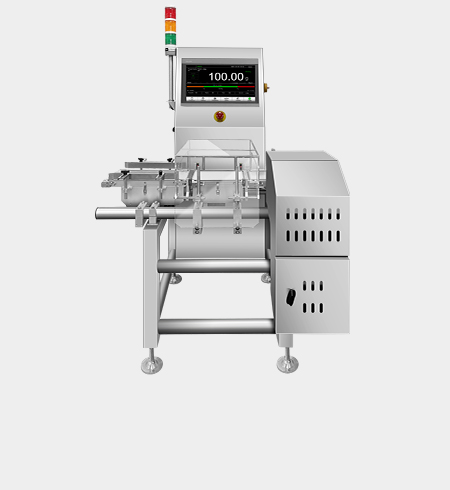
Checkweighers
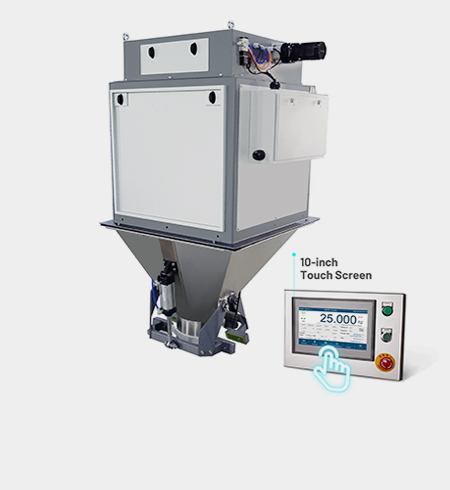
Bagging Scales

Load Cells
The answer lies not in algorithms, but in humidity-controlled vaults, crumbling film canisters, and the tireless work of a few dedicated institutions. At the heart of this preservation battle stands the concept of the —a crucial, often underfunded guardian of a continent’s visual memory.
Furthermore, there is the issue of deepfake pollution . As archives release high-quality restorations online, pirates scrape them and colorize them using flawed AI, creating "historical" versions that are completely inaccurate. The thus becomes the arbiter of truth—the single source of verified authenticity. Why You Should Care: The Cultural Stakes You might be asking, "Why pour millions into saving old black-and-white films that nobody watches?"
This article dives deep into why these archives matter, the unique challenges they face in tropical climates, and how they are revolutionizing the way we understand Asian cinema. To understand the urgency of an Asian film archive , one must first understand the enemy: time and climate. Unlike Europe or North America, much of Asia’s cinematic history was printed on highly unstable nitrate film stock. Stored in humid warehouses without air conditioning, these reels chemically decomposed into a sticky, vinegar-scented sludge.
_Manual_Batching_Mode.jpg)
The answer lies not in algorithms, but in humidity-controlled vaults, crumbling film canisters, and the tireless work of a few dedicated institutions. At the heart of this preservation battle stands the concept of the —a crucial, often underfunded guardian of a continent’s visual memory.
Furthermore, there is the issue of deepfake pollution . As archives release high-quality restorations online, pirates scrape them and colorize them using flawed AI, creating "historical" versions that are completely inaccurate. The thus becomes the arbiter of truth—the single source of verified authenticity. Why You Should Care: The Cultural Stakes You might be asking, "Why pour millions into saving old black-and-white films that nobody watches?"
This article dives deep into why these archives matter, the unique challenges they face in tropical climates, and how they are revolutionizing the way we understand Asian cinema. To understand the urgency of an Asian film archive , one must first understand the enemy: time and climate. Unlike Europe or North America, much of Asia’s cinematic history was printed on highly unstable nitrate film stock. Stored in humid warehouses without air conditioning, these reels chemically decomposed into a sticky, vinegar-scented sludge.