Camera Couples Escorts Pack 529 - Asian Hidden
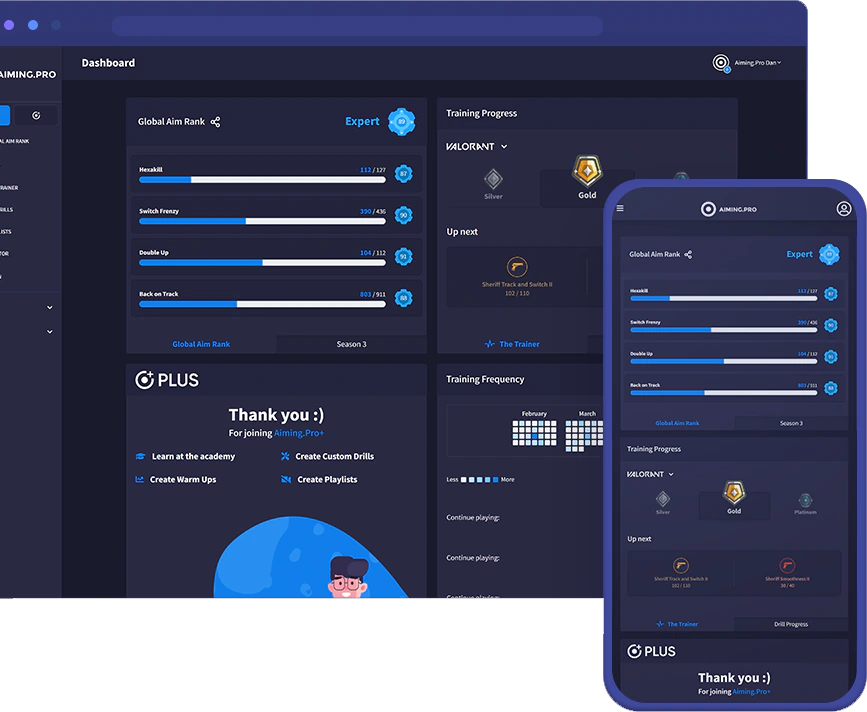
Join the 4m players who have used the Aiming.Pro aim trainer to practice, train and improve their FPS aim skills
Start Aim Training




Join the 4m players who have used the Aiming.Pro aim trainer to practice, train and improve their FPS aim skills
Start Aim Training
As cameras become cheaper, sharper (4K is now standard), and smarter (AI facial recognition, animal detection, and license plate reading), the line between security and surveillance has blurred. This article explores the complex relationship between home security camera systems and privacy, offering a practical guide on how to protect your home without violating the social and legal boundaries of those around you. The core tension is simple: to feel safe inside your home, you must expose the outside of your home to the internet.
Most modern systems are not closed-circuit (CCTV). They are connected, cloud-based, and “smart.” When you install a Ring, Arlo, or Google Nest camera, you are not just buying a lens; you are buying into an ecosystem of continuous data transmission. Every time a car passes, a leaf falls, or a neighbor walks their dog, that data is recorded, analyzed, and often stored on servers hundreds of miles away. Asian Hidden Camera Couples Escorts Pack 529
But this peace comes with a paradox. The very device that protects you from external threats—burglars, vandals, porch pirates—can inadvertently become a threat to your own privacy, and more importantly, the privacy of your neighbors, guests, and even your family. As cameras become cheaper, sharper (4K is now
The responsible homeowner must navigate three layers of reality: (what you can do), the ethical (what you should do), and the technical (what you can secure). Most modern systems are not closed-circuit (CCTV)
In the past decade, the home security camera has evolved from a niche luxury for the wealthy into a standard household appliance. From doorbell cameras that catch package thieves to nursery monitors that track an infant’s breathing, these devices promise peace of mind. In 2025, over 35% of U.S. households own a smart security camera.
Protect your castle. But don’t forget that your neighbors have a right to their own, unobserved. This article is for informational purposes and does not constitute legal advice. Consult a local attorney regarding specific surveillance laws in your jurisdiction.
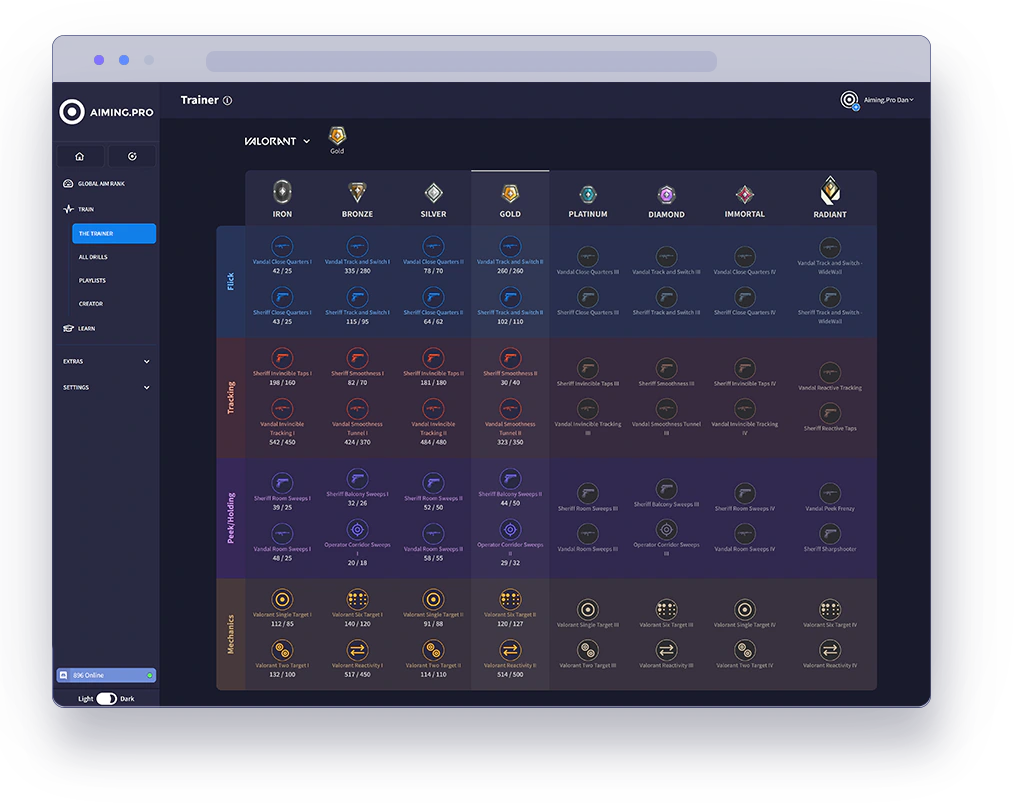
The Trainer is the best way to rank up in specific
FPS games using our aim trainer.
Our pros have analysed each game’s core concept
to carefully select drills that optimise your aim in the
areas that count. Hit the target goal in each level
and keep moving forwards to join the elite ranks of
Valorant, Apex, CSGO and COD.
Start your journey with The Trainer now
to unleash your full gaming potential.





See how you stack up against millions of players in our global community. Getting ranked lets you compete in our latest season of drills and weekly challenges.
Rank your aim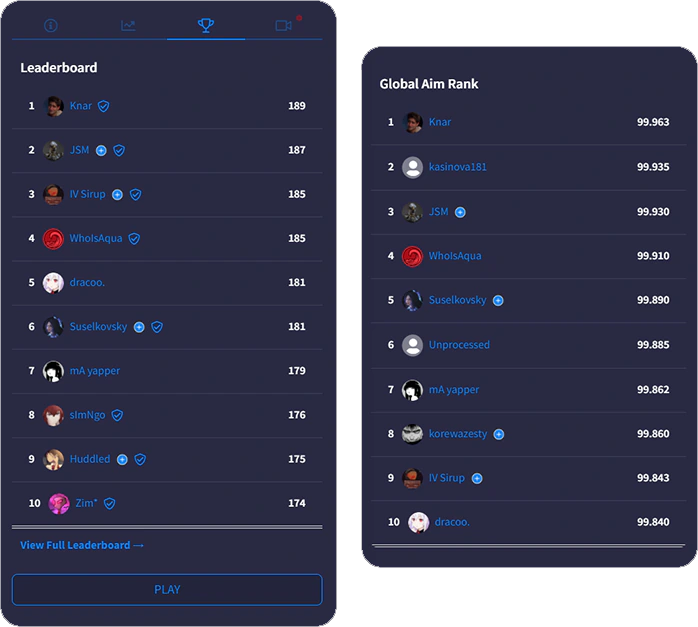
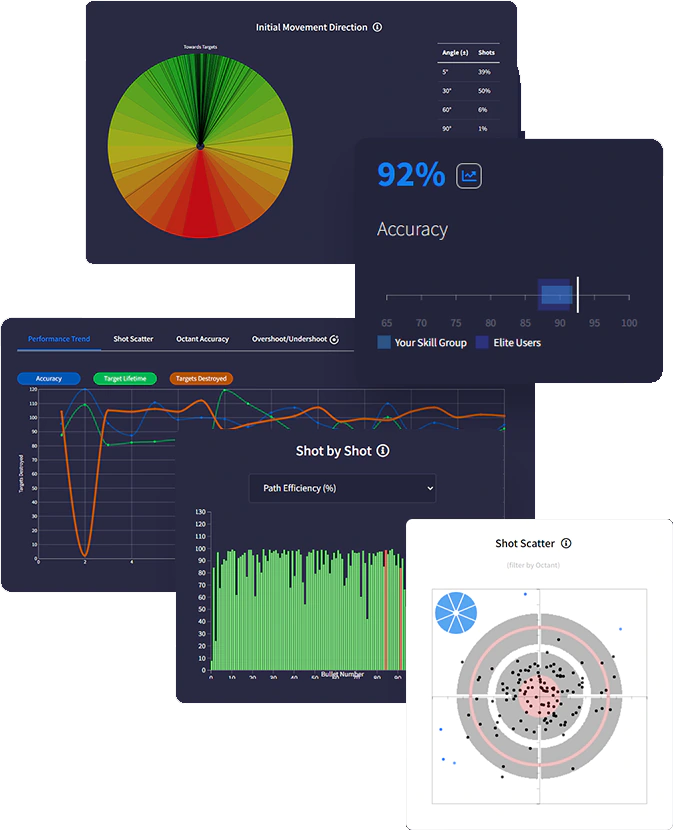
Get a deeper understanding of your performance with
with advanced data tracking. Discover insights that
uncover your strengths & weaknesses so you know
exactly how to optimise using actionable feedback.
Track everything after each drill with tons of metrics
measuring accuracy, reaction times, mouse speed,
move angles and more - the most in-depth analytics
ever built in an aim trainer.
Intelligently predict effective routines on evaluation of
your stats and trends. Analysing performance data
gives personalised feedback recommending skill areas for optimisation.
We support total synchronicity with all favourite FPS games. Our mouse sensitivity, FOV conversion, weapons and ADS variability accurately match real gaming physics ensuring all your aim gains translate into actual improved gameplay.

Sync sensitivity settings
to all FPS games

Adjust FOV to match
in-game preferences

Recreate ADS zoom &
sensitivity for every scope

Match weapon parameters
including rate of fire

Customise crosshair, hit
markers, textures & targets

Add your own sounds for
shots, hits, spawn & more
As cameras become cheaper, sharper (4K is now standard), and smarter (AI facial recognition, animal detection, and license plate reading), the line between security and surveillance has blurred. This article explores the complex relationship between home security camera systems and privacy, offering a practical guide on how to protect your home without violating the social and legal boundaries of those around you. The core tension is simple: to feel safe inside your home, you must expose the outside of your home to the internet.
Most modern systems are not closed-circuit (CCTV). They are connected, cloud-based, and “smart.” When you install a Ring, Arlo, or Google Nest camera, you are not just buying a lens; you are buying into an ecosystem of continuous data transmission. Every time a car passes, a leaf falls, or a neighbor walks their dog, that data is recorded, analyzed, and often stored on servers hundreds of miles away.
But this peace comes with a paradox. The very device that protects you from external threats—burglars, vandals, porch pirates—can inadvertently become a threat to your own privacy, and more importantly, the privacy of your neighbors, guests, and even your family.
The responsible homeowner must navigate three layers of reality: (what you can do), the ethical (what you should do), and the technical (what you can secure).
In the past decade, the home security camera has evolved from a niche luxury for the wealthy into a standard household appliance. From doorbell cameras that catch package thieves to nursery monitors that track an infant’s breathing, these devices promise peace of mind. In 2025, over 35% of U.S. households own a smart security camera.
Protect your castle. But don’t forget that your neighbors have a right to their own, unobserved. This article is for informational purposes and does not constitute legal advice. Consult a local attorney regarding specific surveillance laws in your jurisdiction.