
Classical Electricity And Magnetism By Panofsky And Phillips Pdf Top Page
Discover the classic textbook "Classical Electricity and Magnetism" by Panofsky and Phillips. Learn about its significance, content, and structure, and access the PDF version.
"Classical Electricity and Magnetism" by Panofsky and Phillips is a timeless resource for physics students and researchers. The book's clear and concise presentation, combined with its comprehensive coverage of the subject matter, has made it a beloved classic in the field of physics. Its influence can be seen in various areas, including graduate-level education and research. With the availability of the PDF version, readers can easily access this influential textbook and explore the fundamental principles of electromagnetism. The book's clear and concise presentation, combined with
"Classical Electricity and Magnetism" is a thorough and well-structured textbook that covers the fundamental principles of electricity and magnetism. The book is divided into 15 chapters, which systematically introduce the reader to the basics of electrostatics, electric currents, magnetic fields, and the interactions between electric and magnetic fields. The authors' approach is characterized by a clear and concise presentation, with an emphasis on the physical principles underlying the mathematical derivations. "Classical Electricity and Magnetism" is a thorough and
Classical electricity and magnetism are fundamental concepts in physics that have been extensively studied and applied in various fields, including engineering, materials science, and quantum mechanics. One of the most influential textbooks on this subject is "Classical Electricity and Magnetism" by Wolfgang K. H. Panofsky and Melba Phillips. First published in 1955, this book has become a classic resource for physics students and researchers alike. In this article, we will discuss the significance of Panofsky and Phillips' work, its relevance to modern physics, and provide information on how to access the PDF version of the book. a German-American physicist
Wolfgang K. H. Panofsky and Melba Phillips were both renowned physicists who made significant contributions to the field of electromagnetism. Panofsky, a German-American physicist, was known for his work on particle physics and electromagnetism, while Phillips, an American physicist, was a prominent figure in the development of quantum mechanics. Their collaboration on "Classical Electricity and Magnetism" was motivated by the need for a comprehensive textbook that would provide a clear and concise introduction to the subject.




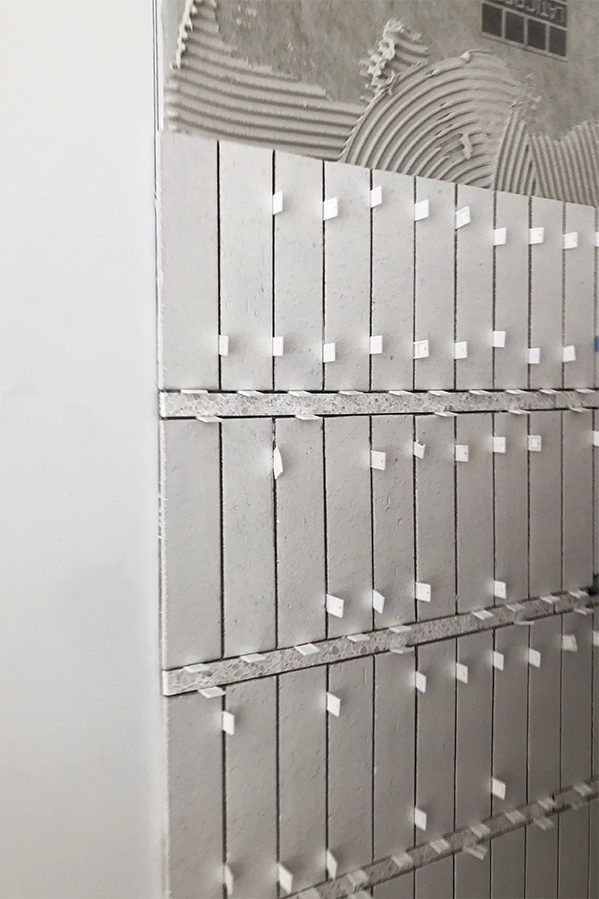
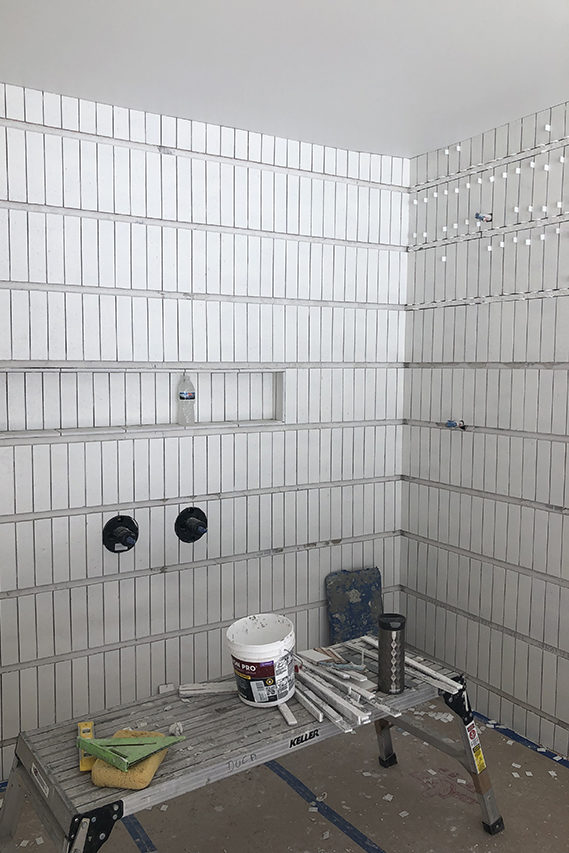
Never will there be a fancier temporary spacer than terrazzo- ha! It looks absolutely stunning.
haha right?!
I had been wondering how that thick grout line would hold up as most sanded grouts say max 1/2”! Thank you for sharing! It’s beautiful!!
Love it. I want to see your vanity! Also, are your terrazzo floors matte or glossy finish? X
I second this!! I actually came on here hoping we’d get a little morsel on the custom concrete vanity/sink. But perhaps she’s been giving it time just like this tile install before sharing.
Thank you for sharing! It turned out fabulous and I appreciate you wanting to make sure it held up well.
Hi sarah,
That tile is so beautiful! I want to do something similar in my shower but worried the thick grout will start to show cracks after awhile. Did you seal the grout in yours?
What mirror is that? I have been looking for a similar mirror? Is the mirror backlit?
Did you have to fill in the 1″ area of grout enough to cover the top and bottom of the tiles?
[…] matte white on the walls and the Natural Zellige on the floor. Read all about how we executed the wall tile treatment here. I designed the custom concrete vanity with an integrated sink and had it fabricated […]
I am curious if you could give any insight into how the application of the grout was done. How did you keep the one inch grout line looking smooth while also making sure to remove any grit haze from the tile? I would be afraid that as I wipe the grout off the tile face that I would mess up the finish of the thick grout line. I really want to try this but it makes me nervous!
Did you use a schluter tile edge strip where the tile transi to REGULAR wall?
Hi Gina!
No, Cle offered glazed trim tile so it looks like an edge so no need for a schluter.