Expert Teachers
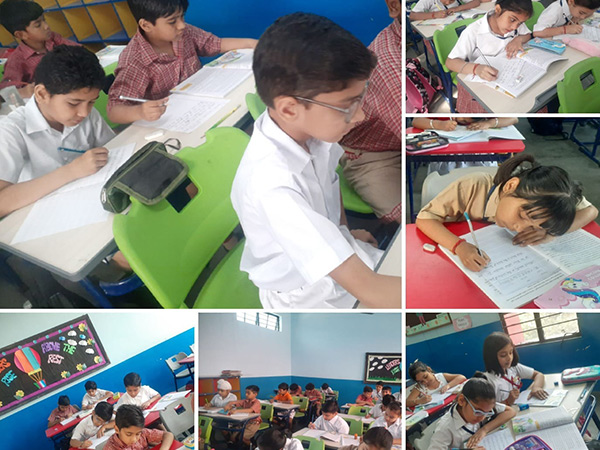
Highly qualified educators dedicated to providing quality education for students' success.
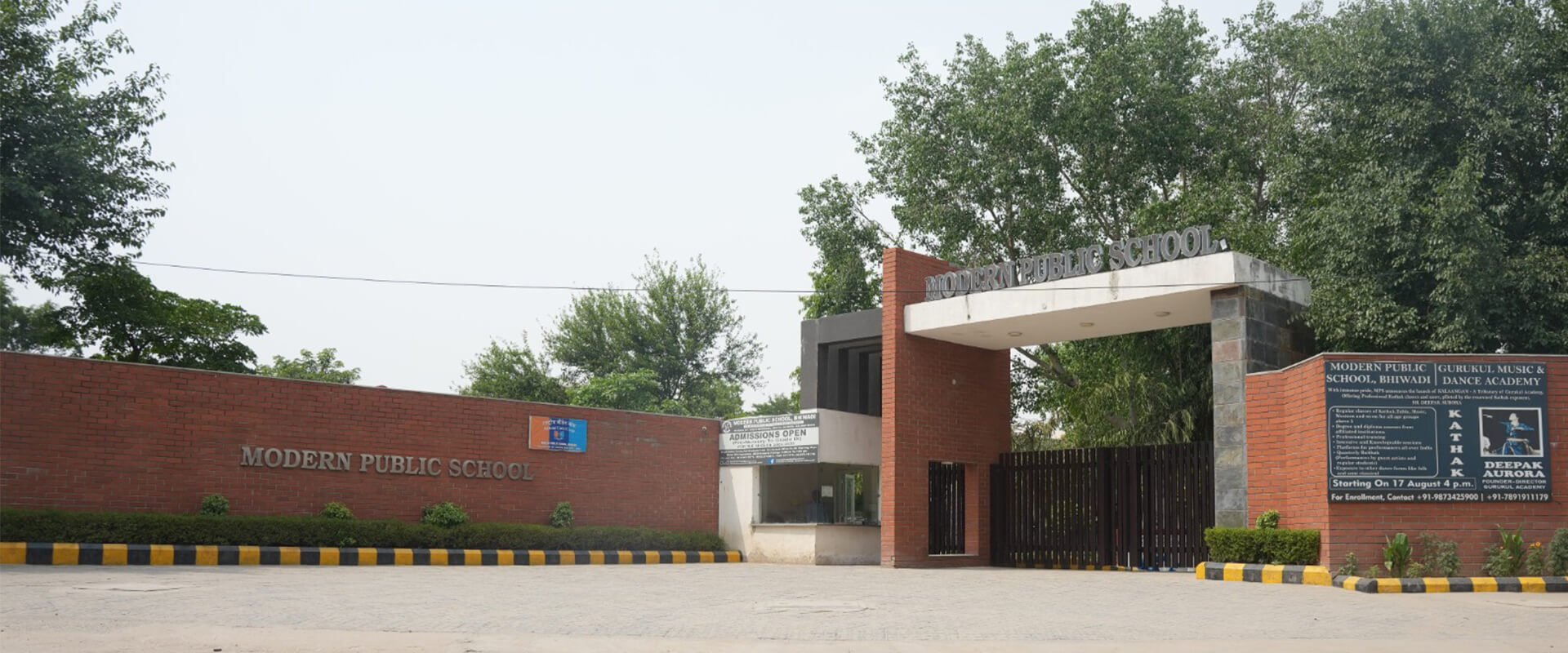

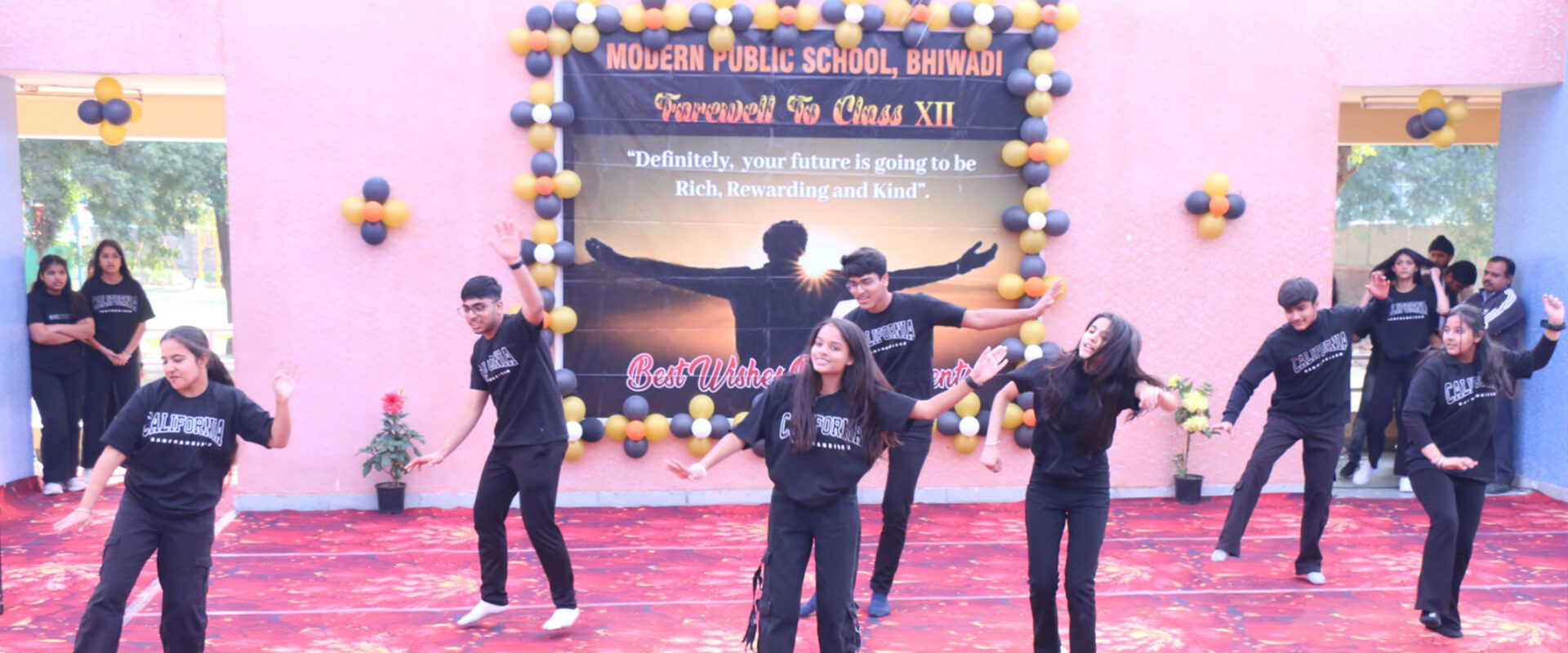
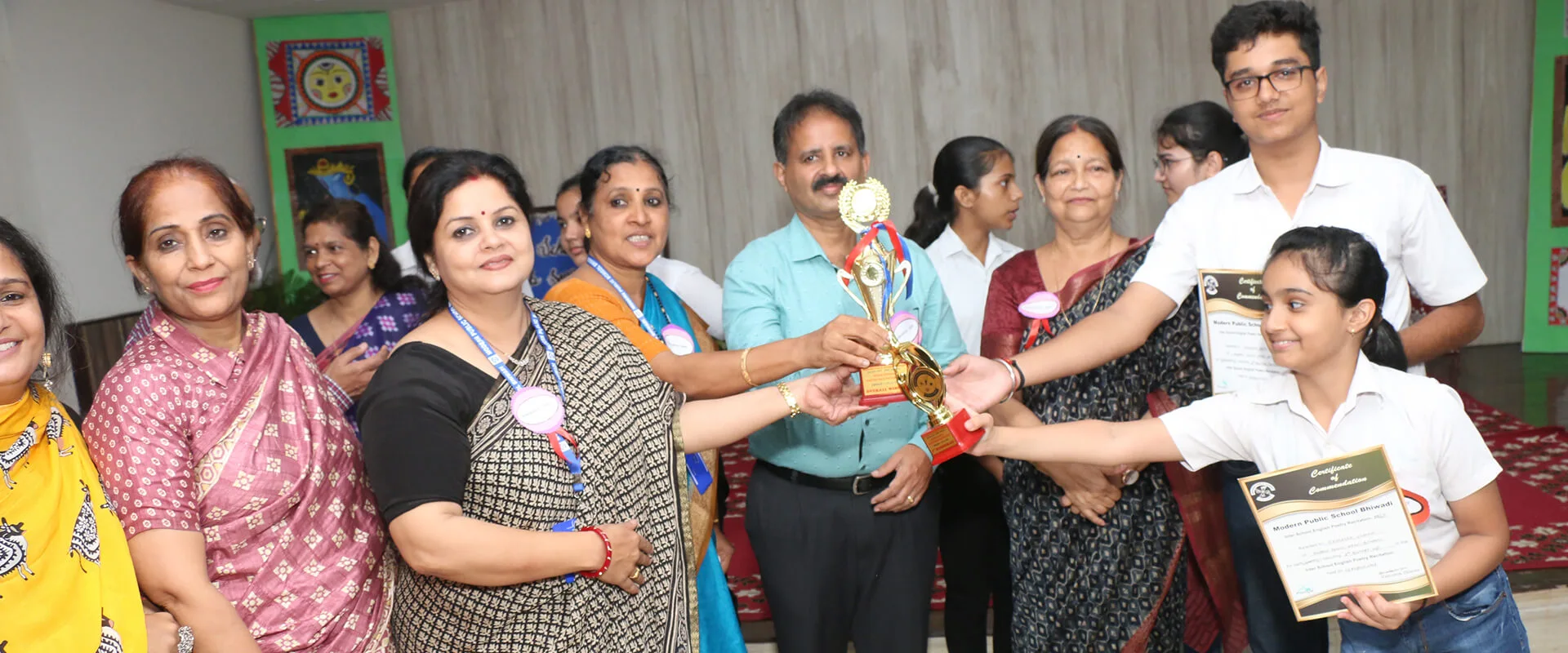
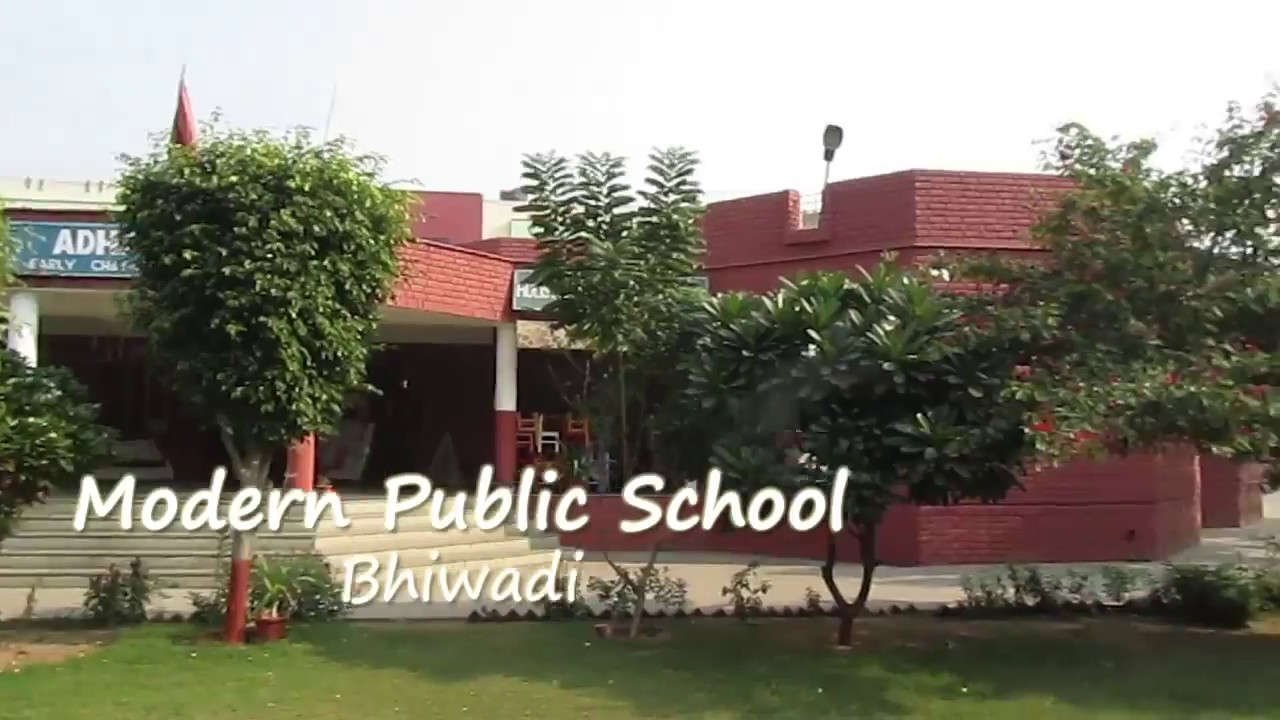
Modern Public School, Bhiwadi stands as a distinguished educational institution in Rajasthan, tracing its roots back to its establishment in 1986. Founded as a public school in Bhiwadi, it operates under the stewardship of the Model Public School Society as a private institution. Aligned with the Central Board of Secondary Education (CBSE), the largest educational board in India, and recognized by the Department of Education, Government of Rajasthan, MPS Bhiwadi has upheld a legacy of academic excellence and holistic development. Nestled amidst 15.5 acres of scenic land along the Bhiwadi-Dharuhera road, the school boasts a picturesque environment conducive to learning.
Diverse community, rigorous academics, nurturing environment—our school cultivates excellence uniquely
Highly qualified educators dedicated to providing quality education for students' success.
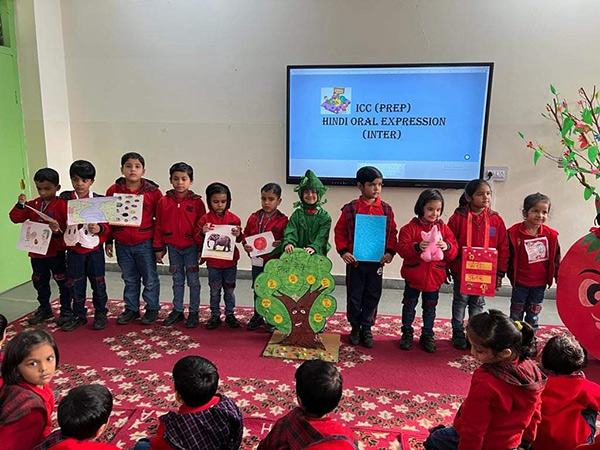
Dynamic multimedia classes, innovative learning, catering to diverse styles for excellence.
Boost creativity with music and art, fostering self-expression for a well-rounded education.
Prioritizing a safe, inclusive environment; ensuring each student feels valued and respected.
Actively engages the local community, organizes events, and instills social responsibility in students.
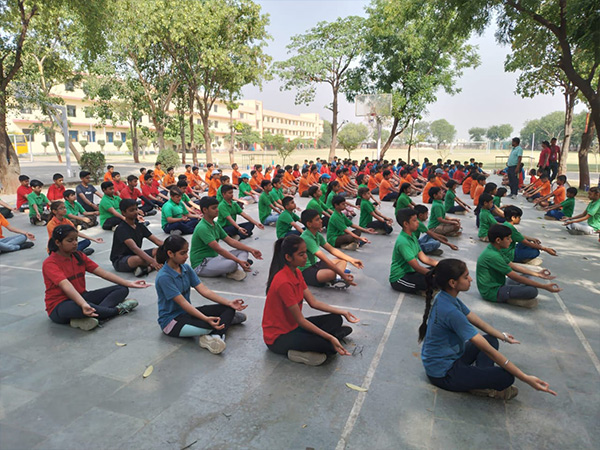
Committed to holistic student development: academics, character, emotional intelligence, physical well-being.

Manager
The school will continue to strive for developing the qualities of creative thinking, coping with stress, decision making power and tolerance among themselves. Every single student is a precious asset of MPS since our hopes and dreams are to make shape through them. Their education should, therefore, not to be confined to books alone. At MPS students are encouraged to take a wider view of things and then shape their future. The student must learn and develop skills at school and in other areas of their lives that will help them become more independent and responsible individuals. They must be able to apply what they learn through education, in other areas of lives.
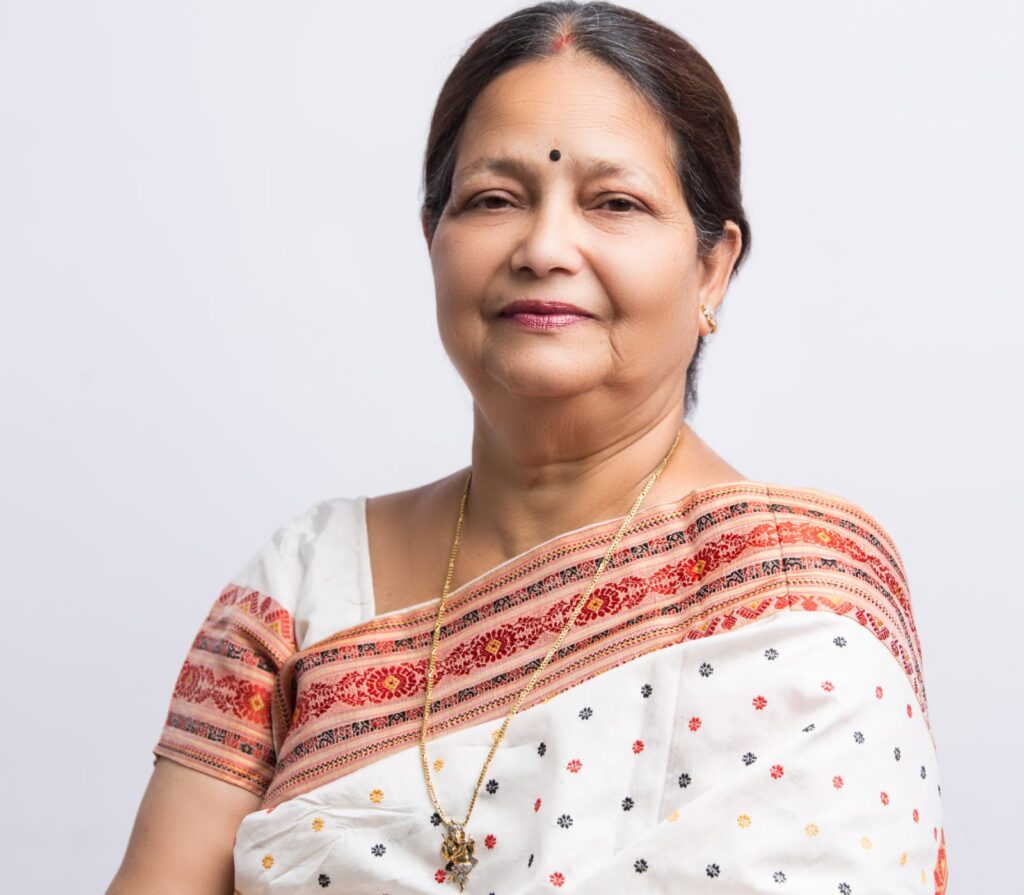
As Executive Director of Modern Public School ,Bhiwadi it is my pleasure to welcome you to our school website.
Modern Public School aims to create a supportive and inclusive environment where students are encouraged to explore their potential and achieve their personal best in all aspects of school life. Here students are being challenged and engaged through authentic learning opportunities that inspire them to develop creativity, confidence and resilience to become independent and ethical life-long learners.
Rapidiously expedite granular imperatives before economically sound web services. Credibly actualize pandemic strategic themeplatform.
Modern public school in Bhiwadi in Rajasthan near Dharuhera is old & famous school in this area. Lots of students come here for studies from nearby cities. Even many students from Rewari. Science wing is best . Result oriented teachers. Good infrastructure building. Lots of greenery . Pollution free & educational environment. Special attention on spoken English.

As i m also a student in this school i loved it and really it is a very good school and it is 28+ years old...Still looks new

The best school in the region. Awarded number one position in Alwar district by Education world four times.

We are seeing more stories from the child’s point of view, more narratives that span years rather than weeks, and more willingness to show blended families failing—and then trying again. The dog isn't always Spot. Sometimes, it’s a rescue with separation anxiety, just like the humans.
The film’s breakthrough moment is its refusal to offer a quick fix. The parents fail—repeatedly. The children push back not out of malice, but out of survival. By the end, the audience understands that a successful blended family isn’t one that looks seamless; it’s one that learns to fight for each other rather than against . This pragmatic optimism has become the defining tone of the genre. One of the most powerful innovations in modern cinema is the visual representation of custody logistics . Filmmakers have realized that the mundane details—suitcases shuffled between cars, empty bedrooms, the ticking clock of a weekend visit—are where the real drama lives. fill up my stepmom fucking my stepmoms pussy ti 2021
Modern cinema has largely retired this archetype. In its place, we find characters like Miles Teller’s character in The Spectacular Now (2013) or even the flawed but trying Julia Roberts in Eat, Pray, Love . The shift is most evident in films that prioritize . The tension isn’t because the stepparent is evil; it’s because the system of blending two histories, two sets of grief, and two discipline styles is inherently volatile. We are seeing more stories from the child’s
And for a family held together by choice rather than biology, that recognition is everything. The film’s breakthrough moment is its refusal to
Noah Baumbach’s Marriage Story (2019) is ostensibly a divorce drama, but its second half is a masterclass in post-divorce blending. The film lingers on the cost of shuttling a child between two new homes, two new step-siblings, and two sets of expectations. When Adam Driver’s character carves a Halloween pumpkin with his son, knowing he has to return the boy to his mother’s house by 7 PM, the audience feels the artificiality of the calendar.
Similarly, The Kids Are All Right (2010) explored a lesbian-led blended family navigating the introduction of a sperm donor. The film’s genius was showing that blending isn’t just about stepparents; it’s about managing the intrusion of absent biologies. The children in that film are savvy, cynical, and ultimately longing for a coherence that may not exist.
This article explores how contemporary filmmakers are deconstructing the old myths and constructing a new cinematic language for —one built on trauma, resilience, teenage rebellion, and the quiet, unglamorous work of learning to love a stranger. The End of the "Evil Stepparent" Trope Let’s begin with the ghost of tropes past. For nearly a century, cinema relied on a lazy shorthand: blood equals loyalty; marriage equals threat. The stepparent was either a mustache-twirling villain (think The Parent Trap ’s Meredith Blake) or an emotionally distant interloper. Even Disney’s animated classics painted stepmothers as vain, jealous, and cruel.