Inthevip150317evaloviatittybarxxx720p+better May 2026
Free calls & texts to any US number! With FreeTone, your phone service works just like your email.
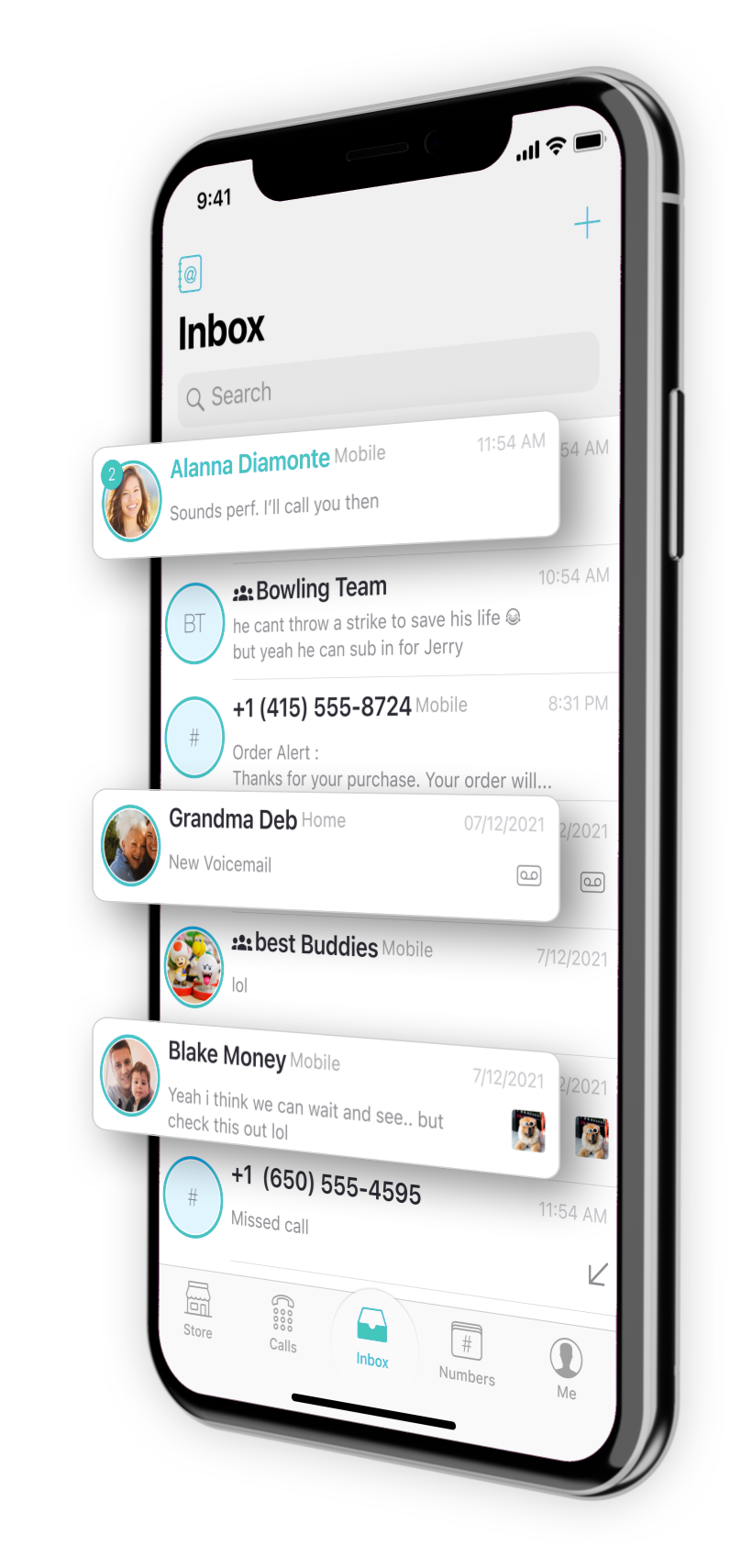
Free calls & texts to any US number! With FreeTone, your phone service works just like your email.
Popular media is no longer a product we buy; it is the air we breathe. The question is no longer "What is entertainment?" but "What isn't?" In this new world, the only failure is silence. Keep creating, keep watching, and keep questioning the algorithm. Because after all, the most interesting content is still you. By understanding the shift from gatekeepers to algorithms, and from passive viewing to active participation, anyone can navigate the noisy world of modern entertainment content and popular media.
This fragmentation has forced a radical shift in how is produced. Studios no longer aim for a single home run every quarter; they rely on niche hits that foster deep, obsessive fandom. A documentary about vintage synthesizers might never top the Nielsen charts, but if it hits the right algorithm, it can sustain a global community for years. The Algorithm as Programmer The single most powerful force in popular media today is not a person or a company—it is the algorithm. Spotify’s Discover Weekly, TikTok’s For You Page, and Netflix’s recommendation engine have replaced human editors. They analyze your behavior—what you skip, what you replay, what you watch until 2 a.m.—and construct a bespoke media universe just for you.
Why? Because in a fragmented world, we crave community and interpretation. Popular media is a language, and meta-content is the conversation about that language. It validates our own opinions, introduces us to hidden details, and creates a shared ritual in an otherwise isolated viewing experience. The barriers between media formats are dissolving. Video games are now cinematic epics (The Last of Us), which are then adapted into HBO series. TikTok sounds become Billboard Hot 100 singles. Instagram Reels become Netflix documentaries. We are witnessing a cross-pollination of DNA where an influencer’s Instagram story has as much cultural weight as a Vanity Fair cover story. inthevip150317evaloviatittybarxxx720p+better
is key. A horror creator should not just make a short film; they should post the props on Pinterest, the jump scare on TikTok, the director’s commentary on Spotify, and the blooper reel on YouTube. Each platform is a different facet of the same story.
Today, that monopoly is dead.
This meta-layer has become a dominant form of in its own right. Podcasts like The Rewatchables or Watcha Casting? generate millions of downloads by dissecting scenes from decades-old films. YouTube channels dedicated to "CinemaSins" or "Honest Trailers" often pull more views than the original content they are critiquing.
In the span of a single generation, the way we consume stories has undergone a revolution more dramatic than the previous five hundred years combined. From the campfire to the cinema, from the radio to the smartphone, the delivery mechanisms change, but the human appetite for narrative remains insatiable. Today, the phrase entertainment content and popular media encompasses an ecosystem so vast, fluid, and personalized that it has ceased to be a passive experience and has become a cultural operating system. Popular media is no longer a product we
We are living in the era of hyper-fragmentation. Streaming services like Netflix, Disney+, and Max compete with user-generated behemoths like TikTok, YouTube, and Twitch. The result is that "popular" no longer means "universal." The finale of Succession might dominate Twitter for an evening, but it will be completely invisible to the millions of users scrolling through ASMR videos, live poker streams, or anime reaction channels.
Get FreeTone on your device...
With FreeTone call & text anyone in the world from your mobile, tablet, and computer.