Pdf Files Of Savita Bhabhi Comics 169 < Validated › >
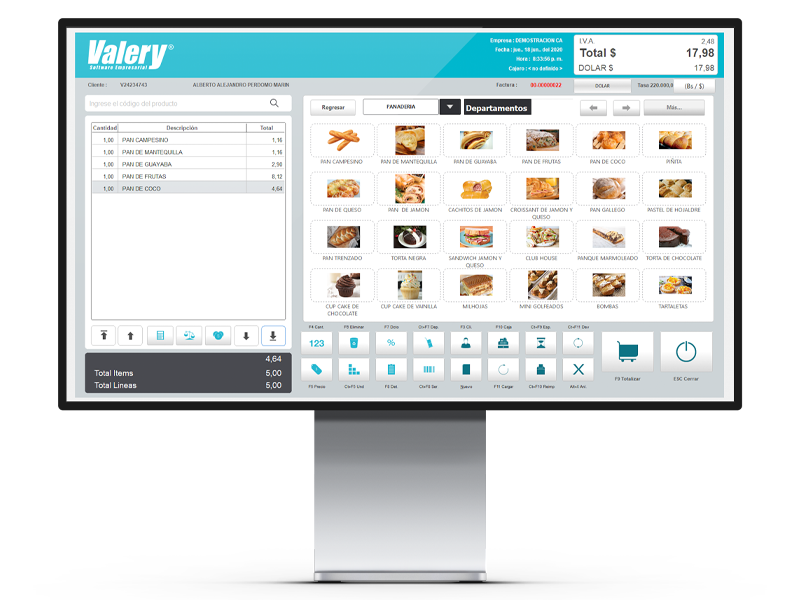
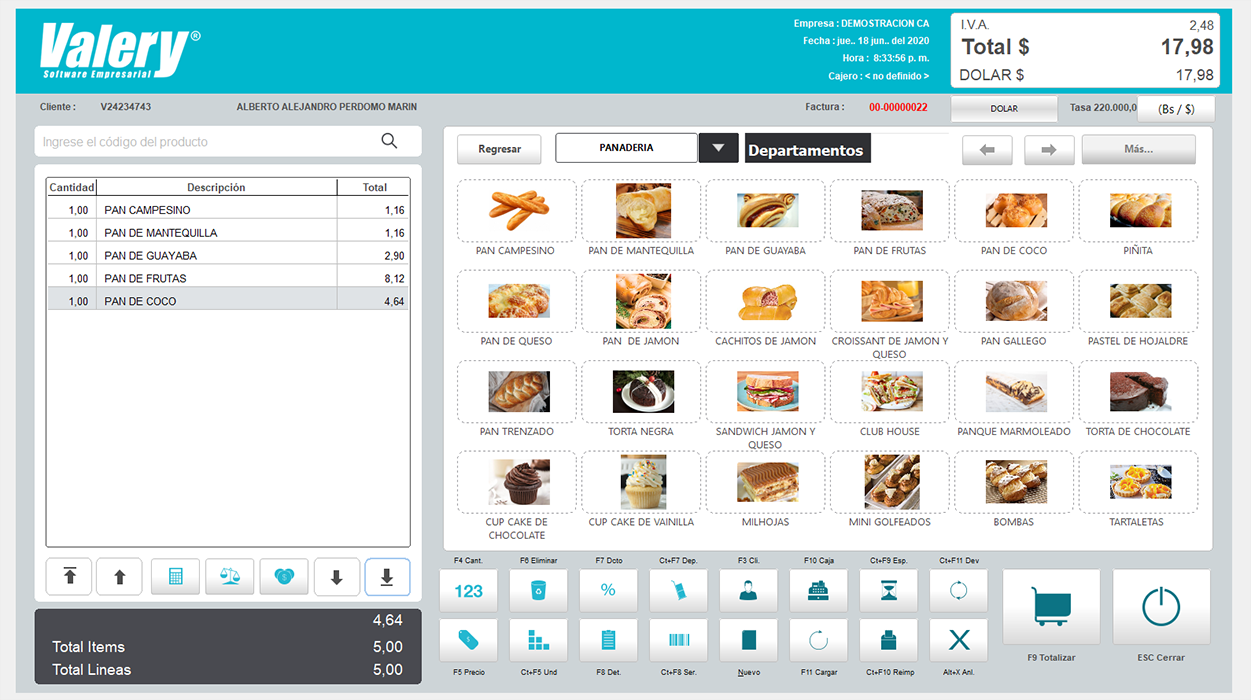
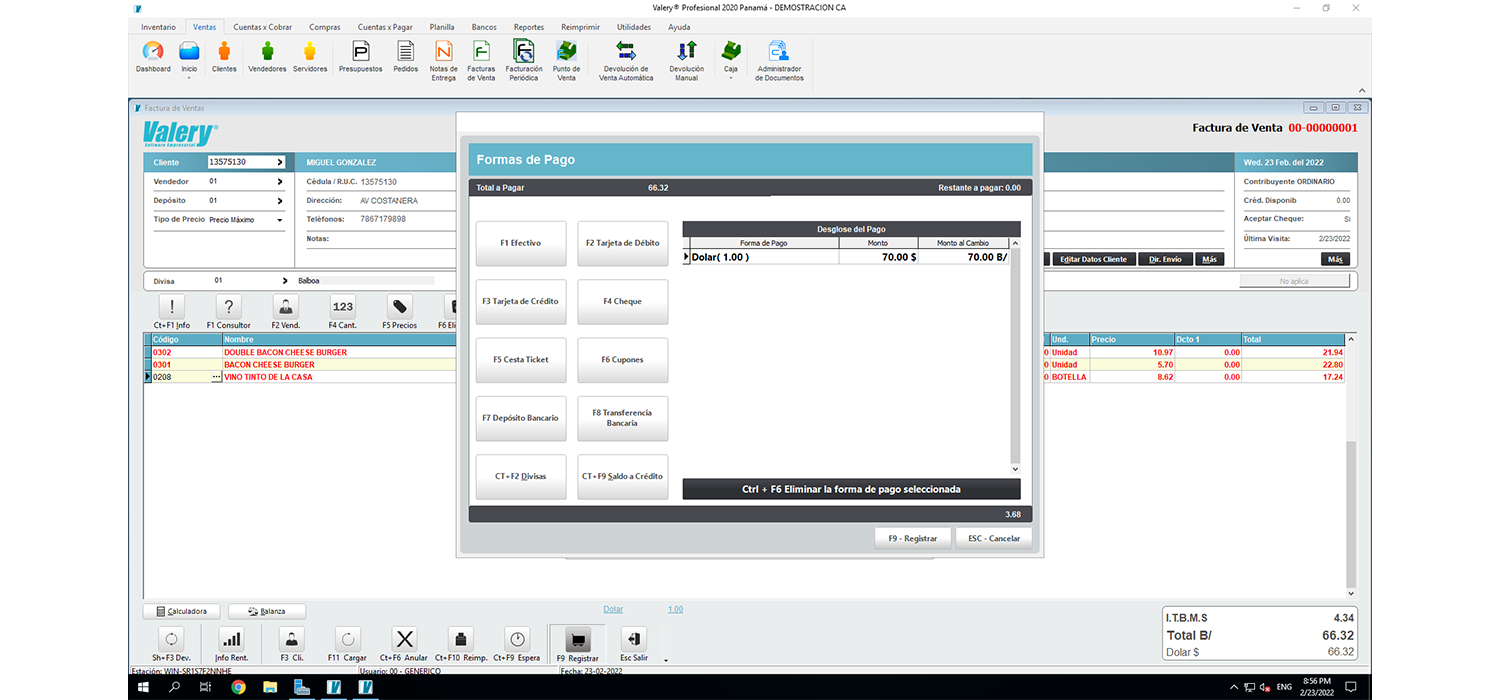
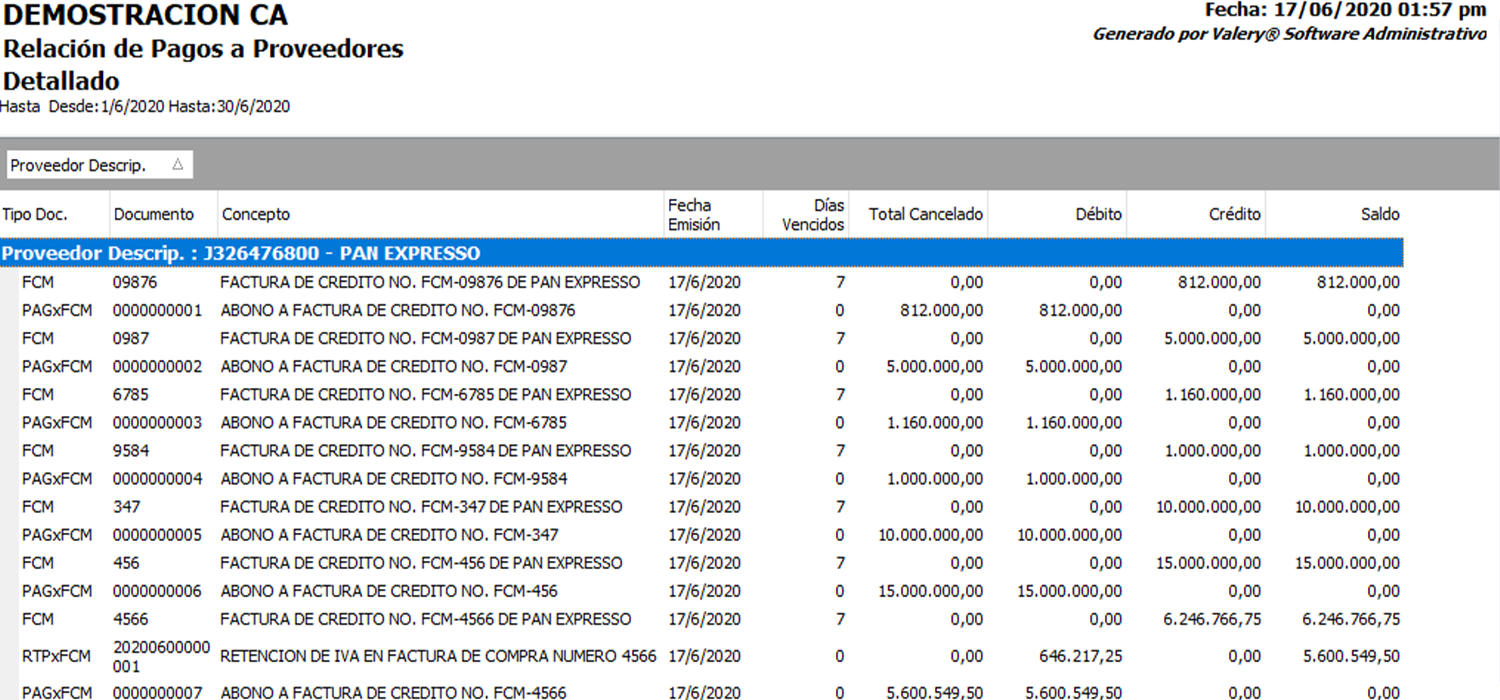
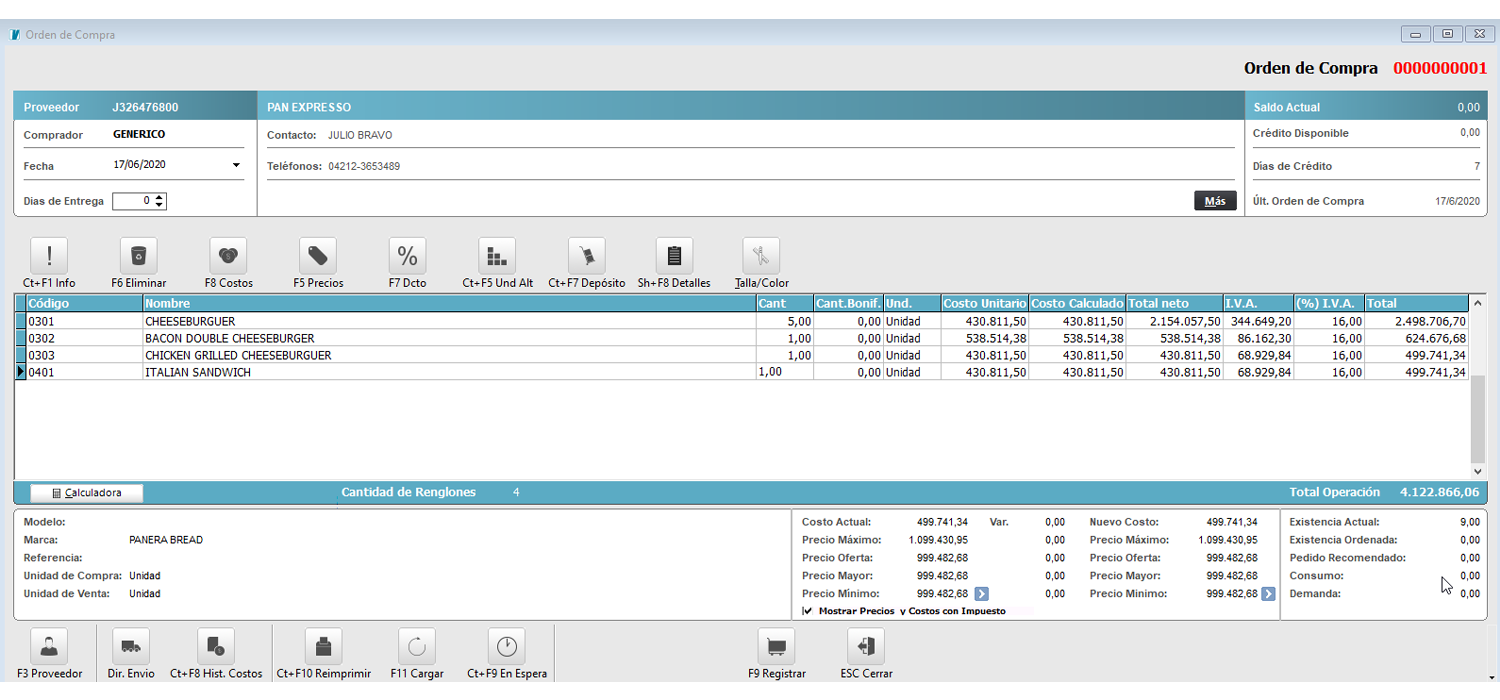
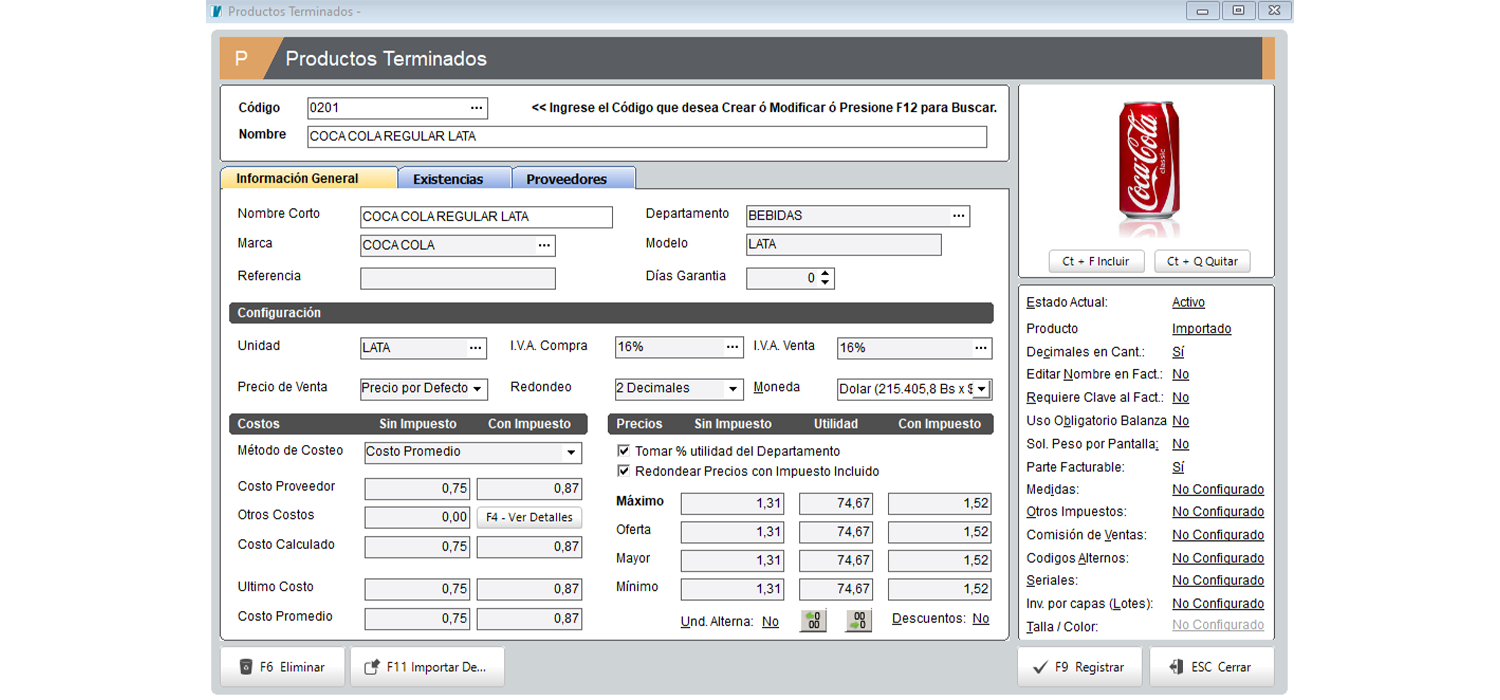
Valery® Estándar está diseñada para empresas que están comenzando y donde se requiere controlar básicamente las ventas, la compras y los inventarios de productos terminados.
AGENDAR DEMO EN VIVOValery® Estándar está diseñada para empresas que están comenzando y donde se requiere controlar básicamente las ventas, la compras y los inventarios de productos terminados.
AGENDAR DEMO EN VIVO








In an Indian family, evening snacks are a love language. Whether it’s bhutta (corn on the cob) during monsoon, samosas with chutney, or just biscuits dipped in chai, this is the time for decompression. "How was your day?" is asked, but rarely fully answered. The truth comes out later, in fragments, while watching the news or taking a walk on the terrace. Dinner: The Battle of the Palates Dinner is the most complex meal in the Indian family lifestyle. Because in India, dinner is a democracy that doesn't work.
The pressure cooker hisses like a train engine. The sound of the sil batta (grinding stone) mixing coriander and mint is the background score. In a South Indian kitchen, a woman might be fermenting dosa batter; in a Punjabi kitchen, she is churning butter at 6 AM. These stories are rarely written down, but every daughter learns them by watching her mother’s hands. Logic defies the Indian morning. In a house of eight people with two bathrooms, a miracle of time management occurs. Teenagers fight for mirror space to style their hair while their grandfather shaves quietly in the corner. The school bus honks—a sound that induces panic. "Where is your shoe?" "Did you drink your milk?" "Don't forget, your father is picking you up at 3:00."
Tonight, as the clock strikes 10:00 PM in a million Indian homes, the father will lock the doors. The mother will check that the gas is off. The grandmother will say her final prayer. The teenager will scroll Instagram one last time. And tomorrow, at 6:00 AM, the pressure cooker will hiss again.
The children burst in, throwing schoolbags like grenades and demanding snacks before the word "homework" is uttered. The father returns, loosening his tie, looking for the evening paper. The college-going daughter walks in with her headphones on, immediately engrossed in her phone—a typical generation gap flashpoint.
One family, four different appetites. The mother becomes a short-order cook. Grandfather insists on yogurt with his meal for digestion. The father wants it spicy. The child wants bland. The mother ends up eating cold leftovers standing by the stove. It is an unglamorous, thankless role, but it is the glue of the narrative.
However, the afternoon is also the "crisis hour." The aunt from the second floor comes down to whisper about the neighbor’s daughter who came home late last night. The cook arrives to complain about the price of vegetables. This is where the real social work happens. Problems are solved not in a therapist’s office, but on the kitchen floor while sorting lentils. The Evening Homecoming: The Great Unraveling 5:00 PM. The doorbell rings. The family reconstitutes itself.
"Ma, I want noodles tonight." "No, we are having chapati and bhindi ." "But I hate bhindi ." "Your cousin refuses to eat green vegetables. Look how sick he looks."
¡Nos adaptamos a tu empresa!, por eso te ofrecemos herramientas integradas que te permiten personalizar y crear nuevas pantallas para mejorar tus procesos de ventas e inventarios.
In an Indian family, evening snacks are a love language. Whether it’s bhutta (corn on the cob) during monsoon, samosas with chutney, or just biscuits dipped in chai, this is the time for decompression. "How was your day?" is asked, but rarely fully answered. The truth comes out later, in fragments, while watching the news or taking a walk on the terrace. Dinner: The Battle of the Palates Dinner is the most complex meal in the Indian family lifestyle. Because in India, dinner is a democracy that doesn't work.
The pressure cooker hisses like a train engine. The sound of the sil batta (grinding stone) mixing coriander and mint is the background score. In a South Indian kitchen, a woman might be fermenting dosa batter; in a Punjabi kitchen, she is churning butter at 6 AM. These stories are rarely written down, but every daughter learns them by watching her mother’s hands. Logic defies the Indian morning. In a house of eight people with two bathrooms, a miracle of time management occurs. Teenagers fight for mirror space to style their hair while their grandfather shaves quietly in the corner. The school bus honks—a sound that induces panic. "Where is your shoe?" "Did you drink your milk?" "Don't forget, your father is picking you up at 3:00." Pdf Files Of Savita Bhabhi Comics 169
Tonight, as the clock strikes 10:00 PM in a million Indian homes, the father will lock the doors. The mother will check that the gas is off. The grandmother will say her final prayer. The teenager will scroll Instagram one last time. And tomorrow, at 6:00 AM, the pressure cooker will hiss again. In an Indian family, evening snacks are a love language
The children burst in, throwing schoolbags like grenades and demanding snacks before the word "homework" is uttered. The father returns, loosening his tie, looking for the evening paper. The college-going daughter walks in with her headphones on, immediately engrossed in her phone—a typical generation gap flashpoint. The truth comes out later, in fragments, while
One family, four different appetites. The mother becomes a short-order cook. Grandfather insists on yogurt with his meal for digestion. The father wants it spicy. The child wants bland. The mother ends up eating cold leftovers standing by the stove. It is an unglamorous, thankless role, but it is the glue of the narrative.
However, the afternoon is also the "crisis hour." The aunt from the second floor comes down to whisper about the neighbor’s daughter who came home late last night. The cook arrives to complain about the price of vegetables. This is where the real social work happens. Problems are solved not in a therapist’s office, but on the kitchen floor while sorting lentils. The Evening Homecoming: The Great Unraveling 5:00 PM. The doorbell rings. The family reconstitutes itself.
"Ma, I want noodles tonight." "No, we are having chapati and bhindi ." "But I hate bhindi ." "Your cousin refuses to eat green vegetables. Look how sick he looks."