









Always in sync, even across episodes
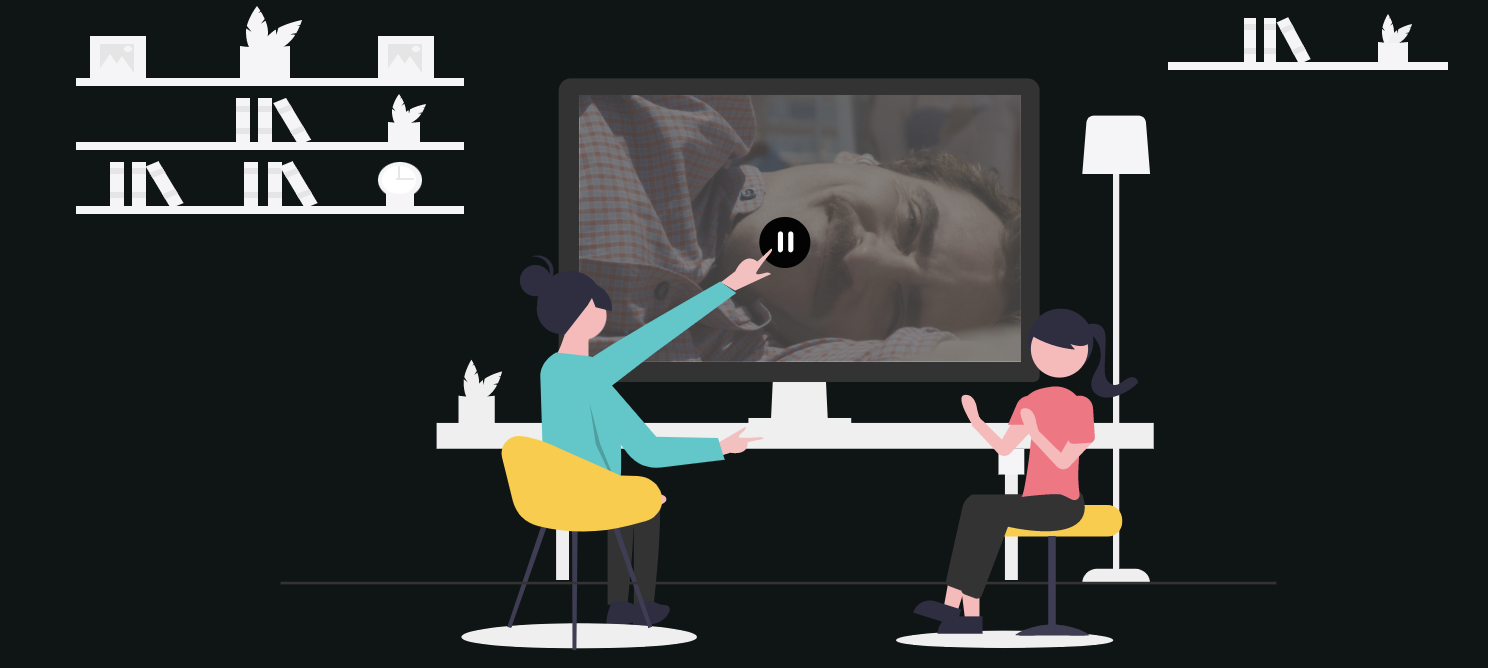
No more "wait, let me pause" moments. Our sync engine keeps everyone frame-perfect—even when you binge multiple episodes in one party.
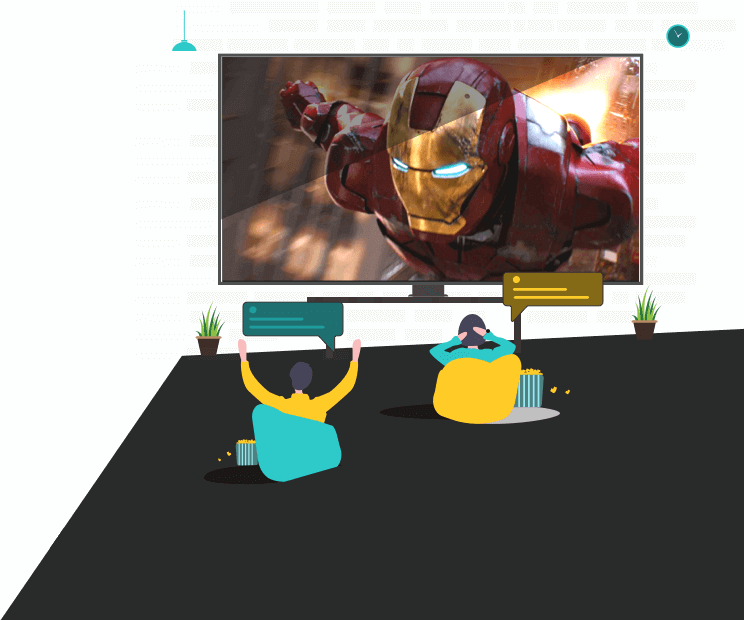
Start playing any video on Netflix, Disney+, or 10+ supported platforms.
Click the Flickcall logo on top right once video starts or hit the Flickcall icon on chrome toolbar. Your watch party is ready in one click.
Copy the party link and send it to your friends. They join with one click—no sign-up required.
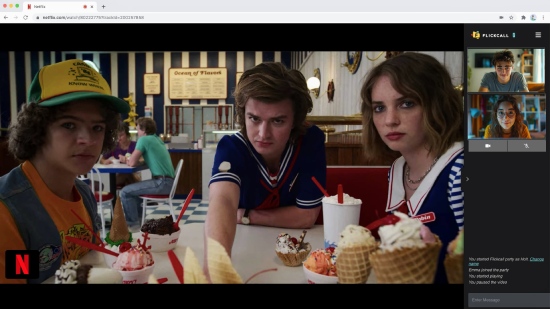
Create watch parties on Netflix, Disney+, JioHotstar, JioHotstar, HBO Max, MAX, Hulu, Prime Video, Youtube, Zee5, Sony Liv, JioHotstar with Flickcall.
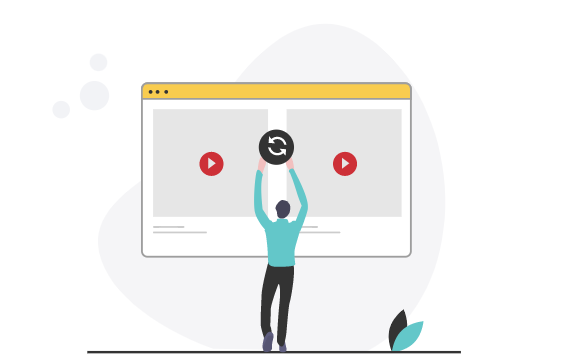
No more "wait, let me pause" moments. Our sync engine keeps everyone frame-perfect—even when you binge multiple episodes in one party.
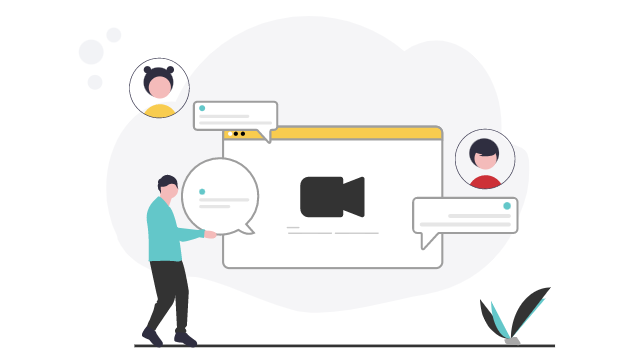
Catch your friends gasping at plot twists. Share laughter in real-time. Video chat makes every watch party feel like you're on the same couch.
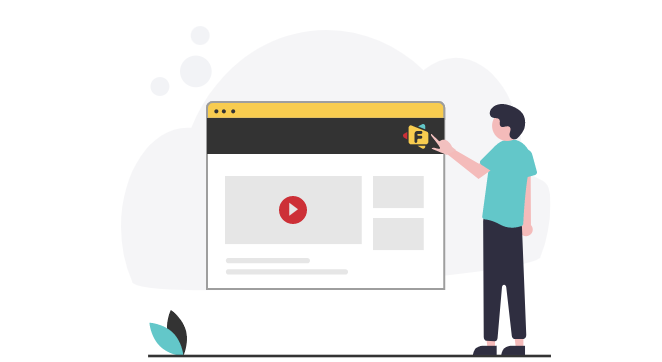
Install the extension, play any video, click the Flickcall icon. That's it—share the link and you're watching together.
When you pause video, your mic unmutes. When you play, it mutes. Smart Mic knows when you need to talk. No fumbling with buttons, just natural conversation.
We use peer-to-peer technology to connect you directly with your friends. Your video calls and chats are never routed through our servers unless direct connection is blocked*.
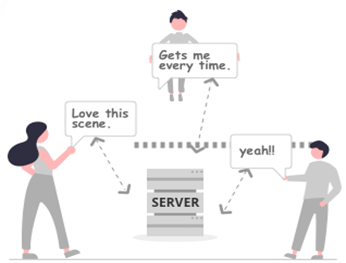
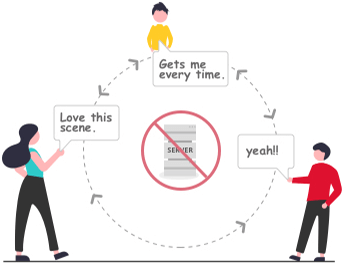
* In some cases, firewall setting doesn't allow direct connection, the calls and messages are encrypted and transmitted via routing servers.
Furthermore, stories bypass the "backfire effect," where people reject facts that contradict their existing beliefs. A narrative invites the listener into a specific, undeniable reality. You can argue with a number, but you cannot argue with a person’s lived truth. Historically, awareness campaigns often treated survivors as anonymous case studies. They were Exhibit A—pitied but not centered. Non-profits and health organizations frequently used "shock and awe" tactics: graphic images, hypothetical worst-case scenarios, or third-person narratives.
Enter the survivor story.
Pilot programs are currently using to immerse policymakers in a survivor’s environment—standing in a crowded room where a harassment incident occurs, for example. While controversial, early data suggests VR narrative campaigns increase empathy retention by over 40% compared to reading a report.
Furthermore, stories bypass the "backfire effect," where people reject facts that contradict their existing beliefs. A narrative invites the listener into a specific, undeniable reality. You can argue with a number, but you cannot argue with a person’s lived truth. Historically, awareness campaigns often treated survivors as anonymous case studies. They were Exhibit A—pitied but not centered. Non-profits and health organizations frequently used "shock and awe" tactics: graphic images, hypothetical worst-case scenarios, or third-person narratives.
Enter the survivor story.
Pilot programs are currently using to immerse policymakers in a survivor’s environment—standing in a crowded room where a harassment incident occurs, for example. While controversial, early data suggests VR narrative campaigns increase empathy retention by over 40% compared to reading a report.