Ultrafilms.24.01.29.trixxxie.fox.aka.trixie.fox... May 2026
The question is no longer "What's on tonight?" It is "What story do we want to live in tomorrow?" And for the first time, the answer is genuinely up to us. Word count: ~1,850
Similarly, education has borrowed the pacing of YouTube creators; marketing has adopted the grammar of Netflix trailers; even corporate communication increasingly relies on memes and GIFs. Popular media is no longer a reflection of culture—it is the culture. The shift from linear broadcasting to on-demand streaming is the most significant technological disruption to entertainment since the invention of the television set. Platforms like Netflix, Disney+, Max, and Amazon Prime Video have dismantled the shared temporal experience of television. The "water cooler moment"—a program everyone watched simultaneously the night before—is rapidly becoming an artifact. UltraFilms.24.01.29.Trixxxie.Fox.Aka.Trixie.Fox...
Consider the impact of films like Black Panther (2018) or Crazy Rich Asians (2018), which demonstrated the commercial viability of non-white, non-Western-led narratives. Or the normalization of same-sex romance in series like Heartstopper and The Last of Us . Each piece of inclusive content chips away at stereotypes while providing underrepresented viewers with the profound psychological benefit of "being seen." The question is no longer "What's on tonight
Consider news. A generation ago, a network evening broadcast was sober, factual, and segmented from comedy or drama. Now, news anchors are personalities with fandoms, cable news segments use reality-show lighting and conflict-driven narratives, and platforms like TikTok deliver geopolitical updates via green-screen filters and trending audio tracks. The boundary between information and entertainment has dissolved into a gray slurry of "infotainment." The shift from linear broadcasting to on-demand streaming
In its place, we have the drop . A full season released at once. The goal is no longer appointment viewing but total immersion. This has given rise to the phenomenon of the "binge-watch," which fundamentally alters narrative structure. Showrunners now craft seasons as eight-to-ten-hour movies, with cliffhangers designed not to keep you waiting a week, but to trigger an automatic "next episode" click.


![Братец на подработке! [ТВ-2]](https://anidub.org/uploads/posts/2024-03/bratec-na-podrabotke-tv-2.jpg "Братец на подработке! [ТВ-2]")

![Неравный жребий [ТВ]](https://anidub.org/uploads/posts/2024-06/q59.webp "Неравный жребий [ТВ]")

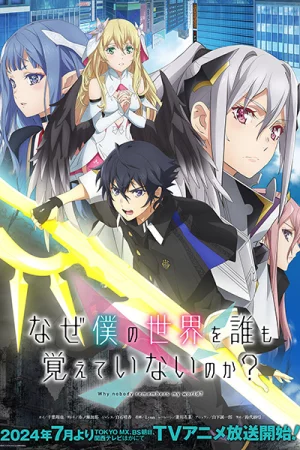
![Демоны старшей школы [ТВ-1]](https://anidub.org/uploads/posts/2024-03/demony-starshej-shkoly-tv-1.jpg "Демоны старшей школы [ТВ-1]")
![Корзинка фруктов [ТВ-1]](https://anidub.org/uploads/posts/2024-03/korzinka-fruktov-tv-1.jpg "Корзинка фруктов [ТВ-1]")
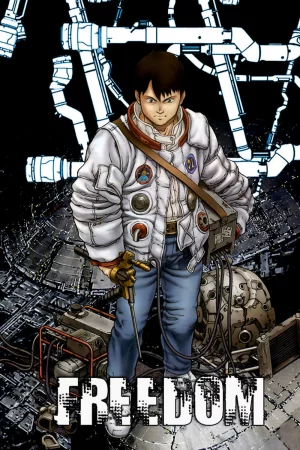

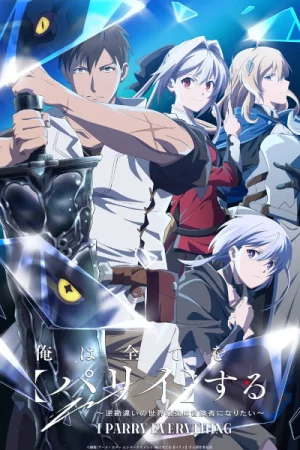


![Загадочная девушка Х [ТВ]](https://anidub.org/uploads/posts/2024-03/zagadochnaja-devushka-h-tv.jpg "Загадочная девушка Х [ТВ]")